Key Takeaways
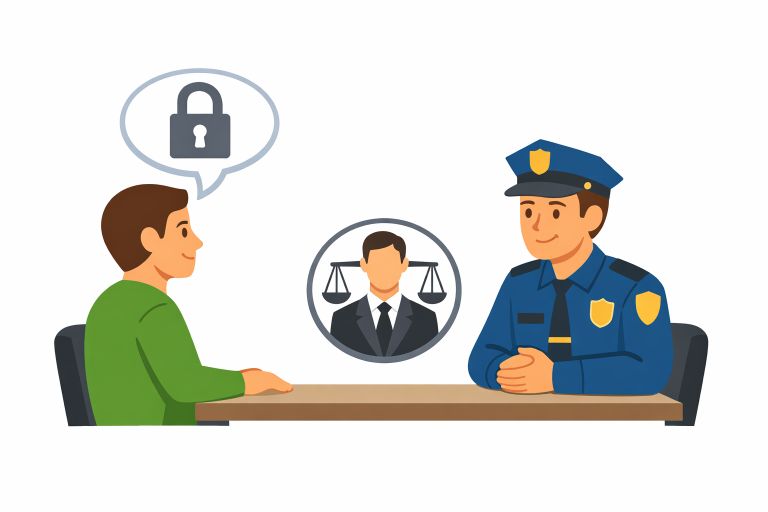
- Remain silent and avoid volunteering information until you have an attorney present.
- Understand your right to legal counsel and never waive it.
- Avoid resisting arrest or escalating conflict with law enforcement.
- Never consent to searches or give statements without understanding your rights.
- Carefully manage communications and social media activity after arrest.
Table of Contents
- Talking to Police Without a Lawyer
- Waiving Your Rights Unintentionally
- Resisting or Arguing With Law Enforcement
- Consenting to Searches Without Clarification
- Failing to Seek Legal Counsel Quickly
- Ignoring Court Dates or Conditions
- Posting on Social Media About the Arrest
- Discussing Your Case With Others
- Not Collecting or Preserving Evidence
- Delaying Development of a Defense Strategy
Facing an arrest in Colorado can be overwhelming and confusing, but the choices you make immediately afterward can have a lasting impact on your case. Protecting your rights and making informed decisions is vital to securing the best possible outcome. Working with a strong criminal defense attorney can mean the difference between a favorable resolution and serious, long-term consequences.
During and after an arrest, emotions often run high. Unfortunately, simple mistakes made during this critical time can complicate your legal situation. Avoiding these common errors ensures that you do not inadvertently harm your chances in court.
Talking to Police Without a Lawyer
One of the most common mistakes is speaking with law enforcement officers without an attorney present. Even seemingly harmless conversations can be used against you later. Law enforcement is skilled at eliciting statements that may damage your defense. Politely but firmly state that you wish to remain silent until your lawyer is present.
Waiving Your Rights Unintentionally
During an arrest, you may be asked to sign documents or respond to questions that could lead to an unintentional waiver of your rights. Never waive your right to remain silent or to an attorney without fully understanding the implications. Anything you say or sign can have serious legal consequences, so proceed with caution.
Resisting or Arguing With Law Enforcement
While emotions may run high, resisting arrest, arguing, or physically struggling with police will only make matters worse. Such actions can lead to additional charges, including resisting arrest or assaulting an officer. Remain calm, comply with reasonable requests, and address any perceived misconduct through appropriate legal channels.
Consenting to Searches Without Clarification
Police may ask for permission to search your vehicle, home, or belongings. You have the right to refuse consent unless there is a warrant or other legal justification. Clearly and respectfully state, “I do not consent to a search.” Consenting to a search not only waives important protections but also makes challenging its legality in court more difficult. For more information on your rights during police searches, you can refer to guidance from the American Civil Liberties Union.
Failing to Seek Legal Counsel Quickly
It is crucial to seek legal representation as soon as possible after your arrest. Delayed contact with an attorney can result in critical mistakes or missed opportunities to build a strong defense. An experienced criminal defense lawyer can protect your rights, negotiate with prosecutors, and guide you through the complexities of the legal system.
Ignoring Court Dates or Conditions
Missing a court date, failing to check in with pretrial services, or violating the conditions of your release will likely lead to additional legal trouble, including a bench warrant or the revocation of your bail. Mark all court appearances on your calendar and fully comply with any release or probation terms.
Posting on Social Media About the Arrest
Social media posts can be used as evidence against you. Avoid sharing details, opinions, or updates about your case on platforms like Facebook, Twitter, or Instagram. For more guidance, check the American Civil Liberties Union’s advice on protecting yourself online during sensitive situations.
Discussing Your Case With Others
Talking about your case with friends, coworkers, or acquaintances can result in harmful information being disclosed or taken out of context. Even seemingly private conversations may be subpoenaed or lead to statements that hurt your credibility. Limit discussions to only your attorney for full confidentiality.
Not Collecting or Preserving Evidence
Failing to collect or preserve evidence, such as photographs, videos, contact information of witnesses, or receipts, can diminish your chances of mounting a strong defense. If possible, ensure important documents or digital records are secured immediately after your arrest and provided to your legal team.
Delaying Development of a Defense Strategy
Time is of the essence after an arrest. Waiting too long to start developing your defense can lead to key evidence being lost and make witness memories less reliable. Work closely with your attorney from the outset to ensure every legal option and strategic opportunity is explored.
An arrest in Colorado can have lasting consequences that affect your personal life, career, and future opportunities. Taking the wrong actions after an arrest may weaken your defense and create additional legal complications. By avoiding common mistakes, staying calm, understanding your rights, and seeking qualified legal representation immediately, you can improve your chances of achieving a more favorable outcome. Professional guidance throughout the legal process helps protect your interests, reduces unnecessary risks, and ensures you make informed decisions at every stage of your case.