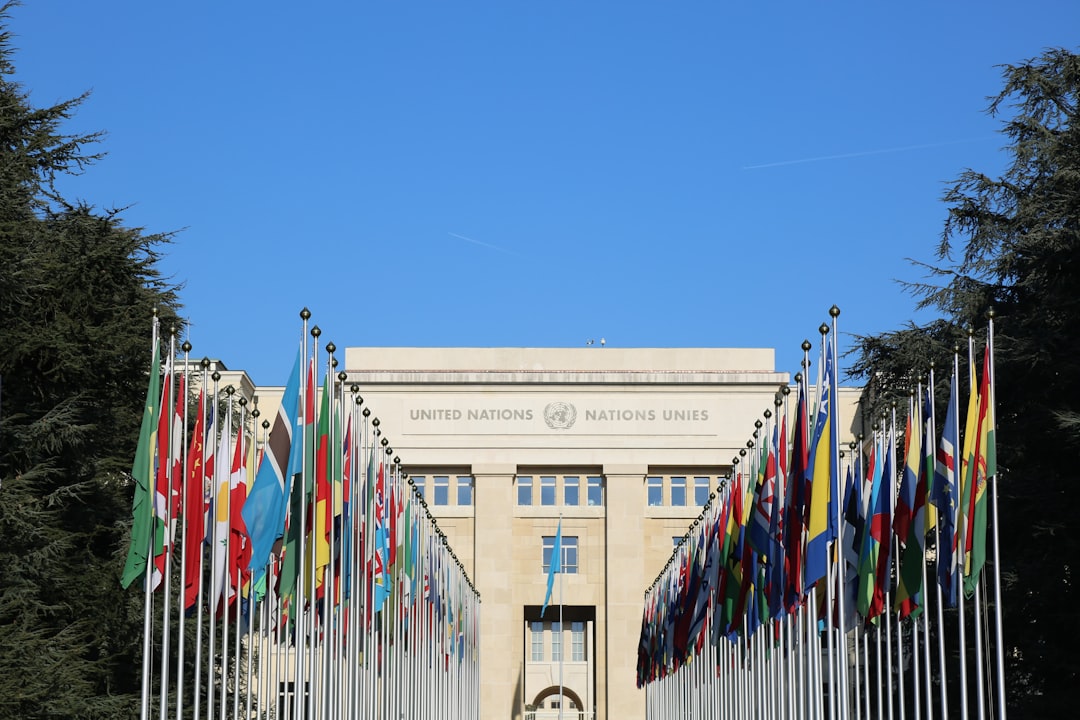
International law serves as a foundational framework for managing the complex interactions between sovereign states. It encompasses a collection of rules, norms, and principles that govern the conduct of nations in their relations with one another, aiming to foster stability, predictability, and justice in the international system. Unlike domestic legal systems, international law lacks a single, authoritative legislature, executive, or judiciary with universal enforcement powers. Instead, its authority derives from the consent of states, primarily expressed through treaties, customary practices, and general principles of law. This unique structure, while inherently decentralized, facilitates the resolution of disputes that transcend national borders, encompassing issues from territorial claims and trade disagreements to human rights violations and environmental protection. The effectiveness of international law hinges on the willingness of states to adhere to its principles and the mechanisms they collectively establish to address infractions and foster cooperation.
The bedrock of international law is multifaceted, drawing primarily from treaties, customary international law, and general principles of law recognized by civilized nations. Understanding these sources is crucial to comprehending how states commit to and are bound by its tenets.
Treaties and Conventions
Treaties, sometimes referred to as conventions, pacts, protocols, or agreements, represent explicit written agreements between two or more states. They are the most direct and formal source of international law, creating binding obligations for the states that ratify them. Treaties can be bilateral, involving two states, or multilateral, involving many states. Examples range from trade agreements like the World Trade Organization (WTO) agreements to arms control treaties like the Nuclear Non-Proliferation Treaty (NPT), and human rights conventions such as the Universal Declaration of Human Rights. The principle of pacta sunt servanda – agreements must be kept – underscores the binding nature of treaties, a fundamental tenet of international law. The Vienna Convention on the Law of Treaties provides the legal framework for how treaties are concluded, interpreted, and applied.
Customary International Law
Customary international law arises from a general and consistent practice of states followed by them from a sense of legal obligation ( opinio juris). Unlike treaties, which require explicit consent, customary law binds states through their consistent behavior and belief that such behavior is legally required. This source is particularly important in areas where no specific treaty exists, or where treaty law is underdeveloped. Examples include diplomatic immunity, the prohibition of torture, and aspects of the law of the sea. Proving the existence of customary international law can be challenging, requiring extensive evidence of state practice and opinio juris. States can, in certain circumstances, be “persistent objectors” to a developing customary rule, meaning they are not bound by it if they consistently objected during its formation.
General Principles of Law
General principles of law recognized by civilized nations serve as a supplementary source, filling gaps where treaties and customary law may be silent. These are principles common to major legal systems worldwide, reflecting fundamental concepts of justice and fairness. Examples include the principle of good faith, the principle of proportionality, and the concept of res judicata (a matter already judged). While less frequently invoked as a primary source, they play a vital role in providing a normative foundation for international legal reasoning and decision-making by international tribunals.
Mechanisms for Dispute Resolution
International law provides a range of mechanisms for states to resolve their disputes peacefully, preventing escalation into conflict. These mechanisms vary in formality and binding effect, allowing states to choose the most appropriate approach based on the nature of their disagreement.
Diplomatic Negotiations
Direct diplomatic negotiations are often the first and most common method for resolving international disputes. States engaged in a disagreement will frequently initiate talks aimed at finding a mutually acceptable solution. This method offers flexibility and allows states to retain full control over the process and outcome. Negotiations can occur at various levels, from tête-à-tête discussions between foreign ministers to multi-state conferences. While not legally binding in themselves, successful negotiations often culminate in a treaty or agreement that formally resolves the dispute.
Mediation and Good Offices
When direct negotiations falter, third-party involvement in the form of mediation or good offices can be instrumental. In good offices, a third party facilitates communication between disputing states without actively participating in the substance of the negotiations. Their role is primarily to provide a channel for dialogue and bridge communication gaps. Mediation, however, involves a more active role for the third party, who not only facilitates communication but also proposes solutions and assists the parties in reaching a compromise. The mediator’s proposals are not binding, but their expertise and impartiality can significantly aid in finding common ground. The United Nations Secretary-General often plays a role in offering good offices or mediation in international crises.
Arbitration
Arbitration is a more formal dispute resolution mechanism where states agree to submit their dispute to an impartial third party (an arbitral tribunal) for a binding decision. Unlike judicial proceedings, arbitration is typically ad hoc, meaning the tribunal is specifically constituted for a particular case. The parties agree in advance on the rules governing the arbitration, including the selection of arbitrators and the applicable law. The Permanent Court of Arbitration (PCA) in The Hague provides administrative support for arbitral tribunals. Arbitral awards are legally binding on the parties and are generally considered final. This method is often preferred for disputes that are more legalistic in nature but where states wish to retain some control over the process compared to full judicial litigation.
Judicial Settlement
Judicial settlement involves submitting disputes to international courts or tribunals for a binding decision. This is the most formal and authoritative method of dispute resolution in international law. Several international courts exist, each with a specific jurisdiction, reflecting the diverse range of international legal issues.
International Court of Justice (ICJ)
The International Court of Justice (ICJ), established by the UN Charter, is the principal judicial organ of the United Nations. It adjudicates disputes between states and provides advisory opinions on legal questions referred to it by authorized UN organs and specialized agencies. Its jurisdiction is based on the consent of states, which can be given through special agreements, treaties referencing the ICJ, or declarations recognizing the Court’s compulsory jurisdiction. ICJ judgments are legally binding on the parties to the dispute and are final and without appeal. While the ICJ has no direct enforcement mechanism, states are generally expected to comply with its rulings due to their commitment to the rule of law and the potential for reputational damage.
International Criminal Court (ICC)
The International Criminal Court (ICC) is an independent international organization that investigates and, where warranted, tries individuals charged with the gravest crimes of concern to the international community: genocide, war crimes, crimes against humanity, and the crime of aggression. Unlike the ICJ, which deals with disputes between states, the ICC focuses on individual criminal responsibility. Its jurisdiction is complementary to national courts, meaning it can only exercise jurisdiction when national courts are unwilling or unable to genuinely prosecute these crimes. The ICC’s establishment marked a significant development in international law, aiming to end impunity for perpetrators of mass atrocities.
Other Specialized Courts and Tribunals
Beyond the ICJ and ICC, numerous specialized international courts and tribunals address specific areas of international law. Examples include the International Tribunal for the Law of the Sea (ITLOS), which adjudicates disputes arising from the UN Convention on the Law of the Sea; regional human rights courts such as the European Court of Human Rights (ECtHR) and the Inter-American Court of Human Rights; and ad hoc criminal tribunals established to prosecute individuals for specific conflicts, such as the International Criminal Tribunal for the former Yugoslavia (ICTY) and the International Criminal Tribunal for Rwanda (ICTR). These specialized bodies contribute to the development and enforcement of particular branches of international law.
Enforcement and Compliance Challenges
The enforcement of international law presents unique challenges due to the absence of a global sovereign authority. Compliance relies heavily on the consent of states, their self-interest in maintaining a stable international order, and various non-coercive and coercive measures.
State Sovereignty and Non-Intervention
The principle of state sovereignty is a cornerstone of international law, asserting that each state has exclusive authority over its territory and internal affairs. This principle, while vital for maintaining international order, also poses a significant challenge to enforcement. States are generally reluctant to accept external interference in their domestic matters, limiting the ability of international bodies to directly impose sanctions or intervene without specific consent or a UN Security Council resolution. The principle of non-intervention, a corollary of sovereignty, further restrains external actors from dictating the policies or actions of other states.
Role of International Institutions
International institutions play a crucial role in promoting compliance with international law. Organizations like the United Nations, through its Security Council, General Assembly, and various bodies, provide forums for discussion, negotiation, and the monitoring of state behavior. The Security Council, with its power to authorize sanctions or military action under Chapter VII of the UN Charter, represents the most potent enforcement mechanism in the international system, though its actions are often subject to the veto power of its permanent members. Regional organizations also contribute to enforcement by promoting legal norms and providing mechanisms for dispute resolution within their respective regions.
Sanctions and Countermeasures
In cases of non-compliance, states or international organizations may employ various sanctions or countermeasures. Economic sanctions, such as trade embargoes or asset freezes, are a common tool aimed at pressuring states to alter their behavior. Diplomatic sanctions, including the recall of ambassadors or the expulsion from international forums, can also be used to signal disapproval. In certain circumstances, states may resort to non-forcible countermeasures, which are acts that would otherwise be unlawful but are taken in response to a prior internationally wrongful act by another state, subject to strict conditions laid out in customary international law concerning state responsibility. The legality and effectiveness of sanctions remain a complex and often debated topic.
Emerging Areas and Future Directions
International law is a dynamic field, constantly evolving to address new global challenges and reflect changing international norms. New technologies, environmental concerns, and the complexities of globalization continue to shape its development.
Cyber Warfare and Digital Governance
The rapid advancement of digital technologies has created entirely new domains for international law. The lack of clear legal frameworks for cyber warfare, cybercrime, and digital governance poses significant challenges. Questions abound concerning the applicability of existing international humanitarian law to cyber attacks, the attribution of cyber operations to state actors, and the development of norms for responsible state behavior in cyberspace. States are grappling with how to deter malicious cyber activities while preserving the open and interconnected nature of the internet. Treaties and customary law are slowly developing in this area, but consensus remains elusive on many core issues.
Climate Change Law
Climate change is a defining challenge of the 21st century, and international law is increasingly central to addressing its multifaceted impacts. The UN Framework Convention on Climate Change (UNFCCC) and the Paris Agreement provide the primary legal architecture for global climate action, setting goals for emission reductions, adaptation, and financial support. These agreements demonstrate a shift towards collective responsibility and the recognition of shared but differentiated responsibilities among states. However, enforcement mechanisms remain largely based on transparency, reporting, and peer pressure, rather than coercive sanctions, reflecting the fundamental difficulty of compelling sovereign states to undertake costly climate actions. The development of international climate law continues to evolve, encompassing issues related to climate migration, loss and damage, and climate finance.
Human Rights and Humanitarian Intervention
The post-World War II era saw a significant expansion of international human rights law, leading to numerous treaties protecting various rights. The Responsibility to Protect (R2P) doctrine, adopted by the UN General Assembly in 2005, represents a complex and controversial development concerning humanitarian intervention. R2P asserts that states have a responsibility to protect their own populations from genocide, war crimes, ethnic cleansing, and crimes against humanity, and if they fail to do so, the international community has a responsibility to intervene through diplomatic, humanitarian, or other peaceful means, and potentially, as a last resort, through military intervention authorized by the UN Security Council. The application of R2P remains contentious, especially concerning the conditions under which military intervention is justified and the potential for its selective application. The tension between state sovereignty and the imperative to protect human lives continues to be a central debate in international law.
The Future of International Law in a Multipolar World
| Country | International Law Metric | Value |
|---|---|---|
| United States | Number of International Court of Justice cases | 12 |
| China | International arbitration cases | 25 |
| Russia | International treaties signed | 87 |
| United Kingdom | International law disputes resolved through diplomacy | 15 |
The international system is characterized by a shifting balance of power, the rise of new global actors, and evolving geopolitical dynamics. These changes inevitably influence the relevance and future trajectory of international law.
Challenges to Multilateralism
The rise of nationalism, protectionist tendencies, and skepticism towards international institutions in some states poses significant challenges to multilateralism and the rule of international law. When powerful states question international agreements or institutions, it undermines the very foundations upon which the international legal order rests. The effectiveness of international law is inherently linked to the willingness of states, particularly major powers, to uphold and respect its principles. Retreats from international agreements or institutions by key actors can create normative gaps and weaken collective responses to global challenges.
Adapting to Global Power Shifts
As global power shifts from unipolarity towards a more multipolar order, international law must adapt to accommodate the interests and perspectives of a broader range of state and non-state actors. The increasing influence of emerging powers necessitates their greater participation in the development and modification of international legal norms. This adaptation may involve reforms of existing international institutions to reflect contemporary power realities and ensuring that international law remains broadly representative and legitimate in the eyes of a diverse international community. The challenge lies in balancing the maintenance of foundational principles with the need for flexibility that allows for the integration of new perspectives and priorities.
The Role of Non-State Actors
While international law primarily governs relations between states, the growing influence of non-state actors—such as multinational corporations, international non-governmental organizations, and even sub-state entities—is increasingly being recognized. Their involvement in global affairs, from advocating for human rights to prosecuting war crimes, influences the development and implementation of international law. The extent to which international law can or should directly regulate these actors, and the mechanisms for their accountability, remains an active area of discussion and evolution in the field. Establishing frameworks that effectively incorporate the roles, responsibilities, and rights of non-state actors without undermining state sovereignty is a complex but necessary undertaking for the future of international legal governance.
International law, despite its inherent challenges in enforcement, remains an indispensable framework for navigating the complexities of global relations. It provides a means for countries to resolve disputes peacefully, establish common standards of behavior, and collaborate on shared challenges. While its effectiveness relies on the political will and commitment of sovereign states, its continuous evolution and adaptation to new realities underscore its enduring relevance in the pursuit of a more peaceful, just, and orderly world. The future of international law will depend on the collective determination of states to strengthen its institutions, uphold its principles, and ensure its continued capacity to address the pressing issues facing humanity.
FAQs
What is international law?
International law is a set of rules and principles that govern the relations and interactions between countries. It encompasses treaties, conventions, and agreements that are designed to promote peace, security, and cooperation among nations.
How do countries resolve global disputes under international law?
Countries resolve global disputes through various mechanisms, including negotiation, mediation, arbitration, and adjudication. These mechanisms allow countries to peacefully address conflicts and reach mutually acceptable solutions.
What are some examples of international organizations that facilitate the resolution of global disputes?
International organizations such as the United Nations, International Court of Justice, World Trade Organization, and International Criminal Court play key roles in facilitating the resolution of global disputes. These organizations provide platforms for dialogue, dispute settlement, and enforcement of international law.
What are the principles that guide international law in resolving global disputes?
The principles that guide international law in resolving global disputes include sovereign equality of states, peaceful settlement of disputes, non-intervention, respect for human rights, and the prohibition of the use of force except in self-defense or with authorization from the UN Security Council.
Why is international law important in resolving global disputes?
International law is important in resolving global disputes because it provides a framework for peaceful coexistence, promotes stability and predictability in international relations, and upholds the rule of law on the global stage. It also helps prevent conflicts and contributes to the maintenance of international peace and security.