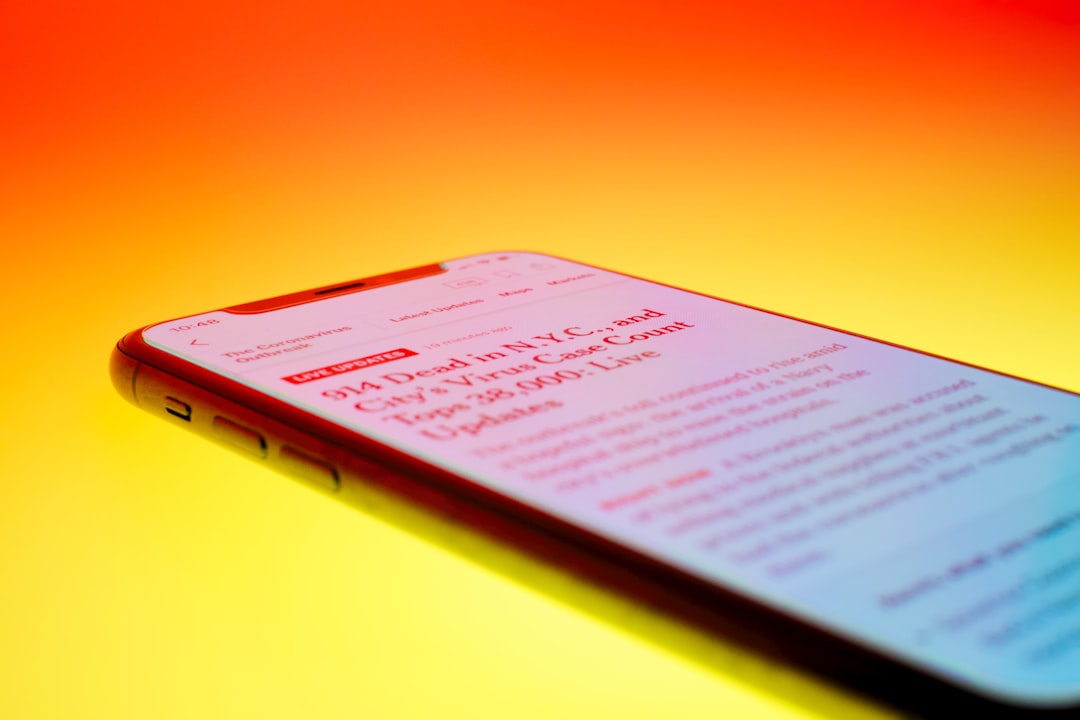
The proliferation of fake news and misinformation has emerged as a formidable challenge to societies worldwide, undermining public trust, distorting democratic processes, and even inciting violence. While the spread of false narratives might appear to be a mere societal ill, various jurisdictions are increasingly recognizing its potential for significant legal repercussions. The legal landscape surrounding fake news is complex and evolving, encompassing a range of offenses from defamation to incitement, and even national security concerns. This article will explore the multifaceted legal consequences associated with the creation, dissemination, and amplification of fake news and misinformation.
One of the most immediate legal avenues for individuals or entities harmed by fake news is through defamation law. Defamation, traditionally categorized as libel (written) or slander (spoken), involves the communication of a false statement about another person that harms their reputation. The digital age has amplified the potential reach and damage of defamatory content.
Proving Defamation in the Digital Age
For a successful defamation claim, a plaintiff typically must demonstrate several key elements. Firstly, the statement must be false. The truth, even if damaging, is generally a complete defense to defamation. Secondly, the statement must be published, meaning it was communicated to at least one other person besides the plaintiff. In the online realm, this threshold is easily met as soon as content is posted. Thirdly, the statement must be “of and concerning” the plaintiff, clearly identifying them as the subject. Lastly, the statement must have caused demonstrable harm to the plaintiff’s reputation. This harm can be financial, such as loss of business, or personal, such as emotional distress and social ostracism.
Challenges in Identifying Perpetrators
A significant hurdle in pursuing defamation cases related to fake news is the often-anonymous nature of online dissemination. Identifying the original source or prolific disseminators of false content can be challenging, requiring technical expertise and potentially international cooperation if perpetrators operate across borders. While service providers may be compelled to disclose user information under court order, this process is often lengthy and resource-intensive.
Damages and Remedies
Successful defamation claims can result in substantial monetary damages, intended to compensate the plaintiff for their reputational harm, financial losses, and emotional distress. In some egregious cases, punitive damages may be awarded to punish the defendant and deter similar conduct. Beyond financial compensation, courts may also issue injunctions, ordering the removal of defamatory content and prohibiting its further dissemination. However, enforcing such injunctions internationally presents additional complexities.
Incitement, Hate Speech, and Public Order Offenses
Fake news often transcends mere reputational harm, directly contributing to social unrest, inciting violence, and promoting hate speech against specific groups. Numerous jurisdictions have laws specifically designed to address such harms, holding individuals accountable for content that instigates illegal activities or promotes discrimination.
Incitement to Violence and Criminal Acts
When fake news deliberately fabricates narratives designed to provoke violence, crime, or public disorder, the disseminator may face charges of incitement. The legal standard for incitement typically requires a direct causal link between the speech and the unlawful act, demonstrating an intent to provoke such action, and a likelihood that the message will be acted upon. For example, fabricated stories about alleged criminal activity by a specific ethnic group, leading to retaliatory attacks, could fall under incitement laws.
Hate Speech Regulations
Many countries have enacted laws against hate speech, which typically prohibit public expression that attacks or denigrates a group based on attributes such as race, ethnicity, religion, gender, or sexual orientation. Fake news that propagates stereotypes, distortions, or outright lies about such groups often crosses the threshold into hate speech. The legal frameworks defining hate speech vary significantly across jurisdictions, with some nations adopting broader protections for freedom of expression than others.
Sedition and Public Disturbance Laws
In some contexts, particularly where fake news aims to undermine government authority, disrupt public order, or spread fear, it can attract charges under sedition laws or other public disturbance statutes. These laws are often controversial due to their potential to restrict legitimate political dissent, but they are sometimes invoked in cases where fabricated information poses a direct and immediate threat to national security or public safety. The definition of such offenses often requires a clear intent to incite unrest or rebellion.
Election Interference and Electoral Misconduct
The integrity of democratic processes is particularly vulnerable to the corrosive effects of fake news. Fabricated information can manipulate public opinion, deter voter participation, and discredit candidates or electoral institutions. Consequently, many legal systems are striving to address fake news as a form of electoral misconduct.
Misleading Voter Information
Some jurisdictions have specific laws prohibiting the dissemination of false information about electoral processes, candidates, or ballot measures. This can include fabricating voting dates or locations, spreading false allegations of voter fraud, or creating deceptive profiles of political candidates. Such laws aim to ensure that citizens make informed decisions based on accurate information.
Foreign Interference and Cyber Operations
The role of foreign actors in creating and disseminating fake news to influence elections presents significant legal and national security challenges. While prosecuting foreign entities operating outside a nation’s borders is complex, domestic laws can target collaborators, intermediaries, or those who knowingly amplify foreign-sponsored disinformation campaigns. Legislation aimed at election integrity often includes provisions for reporting foreign interference and imposing sanctions on those who participate.
Campaign Finance Regulations and Transparency
Fake news campaigns, particularly those with significant reach, often require financial backing. Investigations into the funding of such campaigns can uncover violations of campaign finance laws, especially if funds are undisclosed, originate from illegal sources, or are used to engage in deceptive advertising practices. Transparency regulations aim to shed light on who is funding political messaging, including potentially misleading content.
National Security and Public Health Implications
Beyond social disruption, fake news can pose direct national security threats and endanger public health. Governments are increasingly considering these dimensions when formulating legal responses to misinformation.
Endangering Public Health and Safety
The COVID-19 pandemic starkly illustrated the dangers of health-related misinformation. False claims about cures, vaccines, or the severity of diseases can lead to individuals making harmful health choices, refusing life-saving treatments, or engaging in behaviors that exacerbate public health crises. Some jurisdictions have introduced specific legislation or utilized existing public health laws to counter the spread of dangerous medical misinformation, particularly when it leads to measurable harm or threatens public health interventions.
Disinformation as a National Security Threat
States increasingly view orchestrated disinformation campaigns, particularly those originating from hostile foreign powers, as a national security threat. These campaigns can destabilize societies, undermine trust in institutions, damage international relations, and even pave the way for more direct forms of aggression. Legal responses in this domain can include espionage laws, treason statutes, or specific legislation targeting cyber warfare and information operations. The challenge lies in distinguishing legitimate criticism or commentary from malicious disinformation campaigns intended to harm national interests.
Critical Infrastructure and Cyber Attacks
Fake news can also serve as a precursor or accompaniment to cyber attacks on critical infrastructure. For example, fabricated reports of system failures or security breaches could be used to sow panic and create a permissive environment for actual attacks. Laws related to cybercrime, national security, and critical infrastructure protection may be invoked in such scenarios, targeting those who create the disinformation as well as those who execute the cyber attacks.
Regulatory Frameworks and Platform Accountability
| Legal Consequences of Fake News and Misinformation |
|---|
| 1. Defamation lawsuits |
| 2. Libel and slander charges |
| 3. Civil penalties |
| 4. Criminal charges for spreading false information |
| 5. Fines and financial damages |
| 6. Legal injunctions to stop dissemination of false information |
The platforms through which much fake news is disseminated – social media companies, search engines, and content aggregators – are increasingly under pressure to address the problem. While freedom of expression typically limits direct government censorship, regulatory frameworks are emerging to hold these platforms more accountable for the content they host.
Content Moderation Policies and Terms of Service
Platforms themselves develop terms of service that prohibit the spread of certain types of harmful content, including fake news. While these are not strictly governmental laws, violations can lead to account suspension or content removal. Governments can influence these policies through legislative pressure, public criticism, or by establishing industry codes of conduct.
Liability for Third-Party Content
The question of intermediary liability – whether platforms are legally responsible for content posted by their users – is a central and contentious issue. Historically, many jurisdictions have offered platforms some degree of immunity as “mere conduits” of information. However, this immunity is being challenged, particularly in cases where platforms are seen as actively amplifying harmful content or failing to remove it in a timely manner after being notified. New legislation in some countries is exploring avenues to hold platforms more accountable, for example, by imposing fines for failing to remove illegal content within specified timeframes.
Transparency and Algorithmic Accountability
Concerns are growing about the opaque algorithms used by platforms to prioritize and recommend content, which can inadvertently amplify fake news. Regulatory efforts are beginning to focus on demanding greater transparency from platforms regarding their algorithmic operations, and potentially even imposing obligations to audit or modify algorithms to mitigate the spread of harmful misinformation. This could include requirements to label politically sponsored content or disclose the sources of information.
The legal ramifications of fake news and misinformation are expanding as societies grapple with its pervasive impact. From individual reputational harm to threats against national security, the legal frameworks are adapting to classify and punish the creation and dissemination of false narratives. The ongoing challenge lies in crafting legislation that effectively curbs the harm caused by fake news without unduly infringing upon fundamental rights such, as freedom of speech, an intricate balance that democracies worldwide continue to seek.
FAQs
What is fake news and misinformation?
Fake news refers to false information that is presented as if it were true, often with the intent to deceive or mislead. Misinformation, on the other hand, is false or inaccurate information that is spread unintentionally.
What are the legal consequences of spreading fake news and misinformation?
The legal consequences of spreading fake news and misinformation can include defamation lawsuits, civil liability for damages caused by the false information, and in some cases, criminal charges for fraud or incitement to violence.
Can individuals or organizations be held legally responsible for spreading fake news and misinformation?
Yes, individuals and organizations can be held legally responsible for spreading fake news and misinformation if it can be proven that they acted with malicious intent or with reckless disregard for the truth. This can result in civil lawsuits and, in some cases, criminal charges.
What are some examples of legal cases related to fake news and misinformation?
There have been several high-profile legal cases related to fake news and misinformation, including defamation lawsuits against media organizations and individuals, as well as criminal cases against individuals who have spread false information with the intent to deceive.
How can individuals protect themselves from legal consequences related to fake news and misinformation?
Individuals can protect themselves from legal consequences related to fake news and misinformation by verifying the accuracy of information before sharing it, being cautious about the sources of information, and refraining from spreading information that they know or suspect to be false.