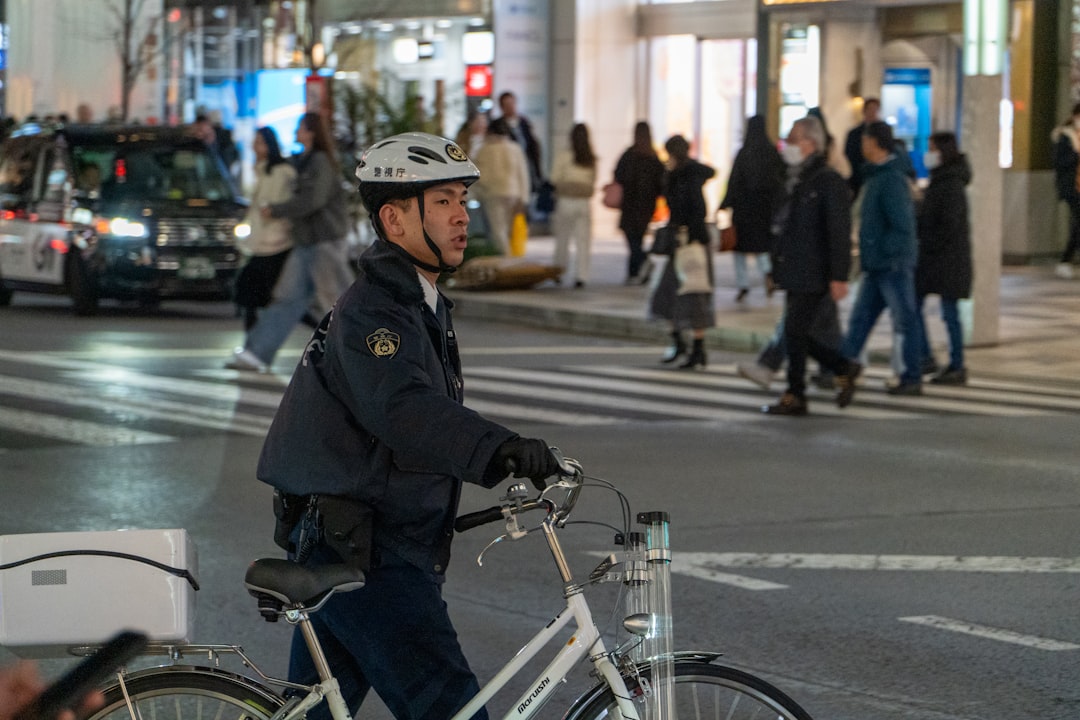
Law enforcement officers operate within a complex framework of powers designed to maintain public order, investigate crimes, and protect citizens. However, these powers are not unfettered. A robust system of checks and balances, rooted in legal precedent and constitutional rights, defines the boundaries of their authority. Understanding these powers and their inherent limits is crucial for both the public to comprehend their rights and for law enforcement to operate effectively and justly.
The authority granted to law enforcement agencies stems from various legal sources, primarily legislative enactments and constitutional provisions. These foundations establish the mandate for police to act and delineate the broad scope of their responsibilities.
Statutory Authority
The primary source of police powers is statutory law. Legislatures at the federal, state, and local levels enact statutes that define the duties, responsibilities, and enforcement capabilities of law enforcement officers. These statutes grant officers the authority to enforce criminal laws, maintain peace, and investigate suspected illegal activities.
Criminal Code Enforcement
Statutes provide officers with the power to arrest individuals suspected of committing crimes, to search for evidence relevant to those crimes, and to seize contraband or illegally possessed items. The specifics of these powers, such as the grounds for arrest or the requirements for search warrants, are meticulously detailed within these legislative texts.
Maintaining Public Order
Beyond direct criminal enforcement, statutes also empower police to take actions necessary to maintain public order. This includes the authority to disperse unlawful assemblies, control traffic, and respond to emergencies. These powers are critical for ensuring the safety and smooth functioning of society.
Constitutional Framework
The United States Constitution, particularly the Bill of Rights, serves as a paramount limitation on government power, including that of law enforcement. Amendments such as the Fourth, Fifth, Sixth, and Fourteenth are directly relevant to understanding police powers and their boundaries.
The Fourth Amendment: Protection Against Unreasonable Searches and Seizures
The Fourth Amendment guarantees the right of the people to be secure in their persons, houses, papers, and effects against unreasonable searches and seizures. This amendment necessitates that law enforcement officers obtain warrants based on probable cause before conducting most searches or making arrests. It also outlines exceptions to the warrant requirement, which have been significantly shaped by judicial interpretation.
The Fifth Amendment: Due Process and Protection Against Self-Incrimination
The Fifth Amendment protects individuals against self-incrimination and guarantees due process of law. This means that individuals cannot be compelled to testify against themselves in criminal proceedings, and any evidence obtained through coercion or violation of due process is generally inadmissible. The Miranda warning, informing suspects of their right to remain silent and their right to an attorney, is a direct product of these Fifth Amendment protections.
The Sixth Amendment: Right to Counsel and Fair Trial
The Sixth Amendment ensures the right to a speedy and public trial, the right to be informed of the nature and cause of the accusation, the right to confront witnesses, and the right to have the Assistance of Counsel for defense. These rights influence police procedures, particularly during investigations and interrogations, to ensure that any evidence gathered is obtained through fair and lawful means.
The Fourteenth Amendment: Equal Protection and Due Process
The Fourteenth Amendment extends due process and equal protection guarantees to all persons within a state’s jurisdiction, preventing arbitrary deprivation of life, liberty, or property. This means that police powers must be exercised without discrimination based on race, religion, or other protected characteristics.
Key Police Powers and Their Limitations
Law enforcement officers possess a range of specific powers that are essential for their duties, but each of these powers is subject to strict legal limitations and procedural safeguards designed to protect individual liberties.
Arrest
The power to arrest is one of the most significant authorities vested in law enforcement. An arrest is the taking of a person into custody on the basis of probable cause that they have committed a criminal offense.
Grounds for Arrest
Generally, an arrest can be made with an arrest warrant issued by a judge. However, statutes and case law also permit warrantless arrests under certain circumstances. These typically include:
- Felony committed in the officer’s presence: If an officer witnesses a felony being committed, they may arrest the perpetrator without a warrant.
- Probable cause for a felony not committed in presence: If an officer has probable cause to believe a felony has been committed and the person to be arrested has committed it, they may make a warrantless arrest.
- Misdemeanor committed in the officer’s presence: In many jurisdictions, an officer can arrest for a misdemeanor if it is committed in their presence.
- Exigent circumstances: This refers to situations where immediate action is necessary to prevent harm, destruction of evidence, or escape.
Limits on Arrest Powers
The primary limitation on the power of arrest is the requirement of probable cause. Probable cause means that there are sufficient facts and circumstances to lead a reasonable officer to believe that a crime has been committed and that the person to be arrested committed it. An arrest made without probable cause is unlawful and can lead to civil liability for the officer and the department. Furthermore, the use of excessive force during an arrest is also a violation of constitutional rights, as established in cases like Tennessee v. Garner and Graham v. Connor. The force used must be objectively reasonable under the circumstances.
Search and Seizure
The power to search and seize is critical for gathering evidence and preventing further criminal activity. However, this power is tightly regulated by the Fourth Amendment to prevent arbitrary intrusions into private life.
Warrant Requirement
The general rule is that a search conducted without a warrant is presumed to be unreasonable. To obtain a search warrant, law enforcement must demonstrate probable cause to a neutral magistrate, particularly describing the place to be searched and the persons or things to be seized.
Exceptions to the Warrant Requirement
Case law has established several exceptions to the warrant requirement, allowing for warrantless searches and seizures in specific situations:
- Search incident to lawful arrest: When a lawful arrest is made, officers may search the arrestee and the area within their immediate control to prevent the destruction of evidence or the use of a weapon.
- Plain view doctrine: If an officer is lawfully present in a location and an illegal item or evidence of a crime is in plain view, the officer may seize it without a warrant.
- Consent searches: If a person voluntarily and knowingly consents to a search of their property, officers may conduct the search without a warrant.
- Automobile exception: Due to the mobile nature of vehicles and the reduced expectation of privacy, officers may search a vehicle without a warrant if they have probable cause to believe it contains contraband or evidence of a crime.
- Exigent circumstances: As mentioned in the context of arrest, these circumstances can also justify warrantless searches, such as entering a home to pursue a suspect or prevent the destruction of evidence.
- **Stop and Frisk (Terry Stops):** Based on Terry v. Ohio, if an officer has reasonable suspicion (a lower standard than probable cause) that a person is engaged in criminal activity and is armed and dangerous, they may conduct a limited pat-down of the person’s outer clothing for weapons. This is a search for weapons, not general evidence.
Limitations on Search and Seizure Powers
The scope of any search, whether with or without a warrant, is limited to the purpose for which it was authorized. For instance, a search warrant for stolen jewelry cannot authorize the search of a computer’s hard drive unless specifically stated. The means used for a search must also be reasonable. Excessive force or intrusive methods not justified by the circumstances are unlawful. Evidence obtained in violation of the Fourth Amendment is typically excluded from trial under the exclusionary rule.
Use of Force
Law enforcement officers are authorized to use force to effectuate arrests, prevent escapes, and overcome resistance. However, the application of force must be reasonable and proportionate to the threat faced.
Objective Reasonableness Standard
The Supreme Court’s decision in Graham v. Connor established that the use of force by law enforcement officers is to be judged by an objective reasonableness standard, based on the facts and circumstances known to the officer at the moment the force was applied, rather than the officer’s subjective state of mind. This standard considers the severity of the crime, whether the suspect poses an immediate threat to the safety of officers or others, and whether the suspect is actively resisting arrest or attempting to evade arrest by flight.
Deadly Force
The use of deadly force, defined as force that is likely to cause death or great bodily harm, is the most serious type of force and is subject to the most stringent limitations.
Tennessee v. Garner
The Supreme Court case Tennessee v. Garner held that if a suspect poses no immediate threat to officers or the public, deadly force may not be used to prevent the escape of a fleeing felon. Officers can only use deadly force if they have probable cause to believe the suspect poses a significant threat of death or serious physical injury to the officer or others.
Ongoing Training and Policy Development
Law enforcement agencies continuously develop policies and provide training on the appropriate use of force. These policies often incorporate de-escalation techniques, alternatives to force, and guidelines for when and how different levels of force may be used. The goal is to ensure that force is a last resort, used only when necessary and with appropriate consideration for the safety of all involved.
Surveillance and Electronic Monitoring
In an era of rapidly advancing technology, law enforcement employs various surveillance methods to gather information and monitor potential criminal activity. These powers are also subject to significant legal scrutiny.
Wiretaps and Electronic Communications Interception
Intercepting private communications, such as phone calls or electronic messages, generally requires a court order. Federal and state statutes, such as the Electronic Communications Privacy Act (ECPA), govern these interceptions. Law enforcement must demonstrate probable cause to a judge that the interception will yield evidence of a crime.
Use of Tracking Devices and GPS
The Supreme Court has addressed the use of GPS tracking devices. In United States v. Jones, the Court held that attaching a GPS device to a vehicle constitutes a search requiring a warrant if the attachment is done on a public roadway. Subsequent cases have further refined the application of these principles to different forms of electronic tracking.
Social Media Monitoring and Data Collection
Law enforcement’s ability to access and analyze publicly available information on social media platforms raises questions about privacy and the scope of reasonable expectations of privacy. While officers can generally observe publicly accessible information, more intrusive data collection may trigger Fourth Amendment concerns.
Limitations on Surveillance
The limitations on surveillance are designed to protect the expectation of privacy. Warrants are typically required for more intrusive forms of surveillance that intrude upon a reasonable expectation of privacy. The Stored Communications Act, part of ECPA, places restrictions on how law enforcement can obtain access to stored electronic communications. Furthermore, policies are in place to prevent the indiscriminate or discriminatory use of surveillance tools.
Oversight and Accountability Mechanisms
The extensive powers granted to law enforcement necessitate robust mechanisms for oversight and accountability to ensure these powers are exercised responsibly and within legal and ethical boundaries.
Internal Affairs and Disciplinary Procedures
Most law enforcement agencies have internal affairs divisions responsible for investigating complaints of misconduct against officers. These investigations can lead to disciplinary actions, including reprimands, suspension, or termination, depending on the severity of the violation.
Investigation of Citizen Complaints
Clear procedures for receiving, investigating, and responding to citizen complaints of misconduct are essential. Transparency in these processes is crucial for building public trust.
Administrative Investigations and Consequences
Internal investigations follow established procedures, often involving interviews, review of evidence, and adherence to departmental policies and collective bargaining agreements. The outcomes can range from exoneration to severe disciplinary measures.
Civilian Oversight Boards
In many jurisdictions, civilian oversight boards play a role in reviewing specific police actions, investigating complaints, and making recommendations for policy changes. These boards, comprised of community members, provide an independent layer of review.
Role and Authority of Oversight Boards
The specific powers and authority of civilian oversight boards vary significantly. Some have investigative power, while others serve in an advisory capacity. Their effectiveness often depends on their independence, resources, and the willingness of law enforcement agencies to engage with their findings.
Impact on Police Practices
Well-functioning oversight mechanisms can lead to improved police training, policy adjustments, and increased accountability, ultimately fostering better community relations.
Judicial Review and Civil Liability
The courts serve as a critical check on police power. Individuals who believe their rights have been violated by law enforcement can seek redress through the judicial system.
Exclusionary Rule
As previously mentioned, the exclusionary rule prevents illegally obtained evidence from being used in criminal trials. This serves as a powerful disincentive for law enforcement to violate constitutional rights during investigations.
Civil Lawsuits
Victims of police misconduct can file civil lawsuits against individual officers and their departments for violations of constitutional rights, false arrest, excessive force, or other torts. These lawsuits can result in financial damages and can prompt policy changes.
Criminal Prosecution of Officers
In cases of egregious misconduct, law enforcement officers can face criminal charges, ranging from assault to corruption. These prosecutions are typically handled by state or federal prosecutors.
The Evolving Landscape of Police Powers
The balance between law enforcement authority and individual rights is not static. Technological advancements, societal changes, and ongoing legal interpretation continuously shape the understanding and application of police powers.
Impact of Technology
The rapid development of technology presents both new opportunities for law enforcement and new challenges for protecting privacy. The use of body cameras, ubiquitous surveillance systems, artificial intelligence in policing, and sophisticated data mining tools all require careful legal and ethical consideration.
Body-Worn Cameras
The implementation of body-worn cameras by many police departments has increased transparency and accountability by providing objective recordings of interactions. However, policies regarding their use, data retention, and public access are still evolving.
Predictive Policing and AI
The use of artificial intelligence for predictive policing, which analyzes data to forecast potential crime hotspots, raises concerns about potential bias and the impact on civil liberties if not implemented with strict safeguards.
Data Privacy and Digital Evidence
The increasing reliance on digital evidence necessitates clear legal frameworks for obtaining and preserving such data, balancing the needs of investigation with individuals’ privacy rights.
Community Policing and De-escalation
There is a growing emphasis on community policing strategies, which aim to build trust and collaboration between law enforcement and the communities they serve. This approach inherently involves de-escalation techniques and a focus on problem-solving rather than solely enforcement.
Building Trust and Legitimacy
Community policing efforts seek to foster positive relationships, making residents more likely to cooperate with law enforcement and report crime. This requires officers to be responsive to community concerns and to engage in dialogue.
De-escalation Training
Training in de-escalation techniques is becoming a standard component of police academies and in-service training. The goal is to equip officers with the skills to resolve volatile situations peacefully and reduce the need for force.
Public Perception and Legal Reform
Public perception of law enforcement’s use of power can significantly influence calls for legal reform. Incidents of perceived overreach or misconduct often spark debates about the need for stricter regulations, enhanced training, or alternative approaches to public safety.
Demands for Transparency and Accountability
Increased public awareness of police actions, fueled by media coverage and social justice movements, has led to heightened demands for transparency and accountability in policing.
Legislative and Judicial Responses
These demands can translate into legislative action, such as new laws governing use of force or data privacy, or significant judicial decisions that reinterpret constitutional protections in light of modern challenges.
In conclusion, the powers vested in law enforcement are extensive and vital for maintaining a safe and ordered society. However, these powers are meticulously balanced by a framework of legal protections and oversight mechanisms designed to safeguard individual liberties. A comprehensive understanding of these powers and their inherent limitations is essential for fostering a just and equitable system of law enforcement that serves all members of the community. Continuous dialogue, adaptation to technological changes, and a commitment to accountability are crucial for ensuring that these powers are exercised with fairness, integrity, and respect for the rights of all citizens.
FAQs
What are police powers?
Police powers refer to the authority granted to law enforcement agencies to enforce laws, maintain public order, and ensure public safety. These powers include the ability to make arrests, conduct searches, and use force when necessary.
What are the limits to police powers?
The limits to police powers are set by laws, regulations, and constitutional rights. These limits are in place to protect the rights of individuals and prevent abuse of authority by law enforcement. Examples of limits include the requirement for probable cause to make an arrest or conduct a search, and the prohibition of excessive use of force.
What is the role of the judiciary in regulating police powers?
The judiciary plays a crucial role in regulating police powers by interpreting laws and constitutional rights, and by reviewing the actions of law enforcement to ensure they are within the bounds of the law. Courts have the authority to suppress evidence obtained through illegal police actions and to hold law enforcement accountable for violations of rights.
How do police powers vary by jurisdiction?
Police powers can vary by jurisdiction based on state and local laws, as well as the policies and practices of individual law enforcement agencies. While there are overarching principles that guide police powers, specific regulations and procedures can differ from one jurisdiction to another.
What are some examples of police powers in action?
Examples of police powers in action include making a lawful arrest based on probable cause, conducting a search with a warrant or under certain exceptions, using force to protect themselves or others, and issuing citations for traffic violations. These actions are carried out within the framework of laws and regulations that govern police powers.