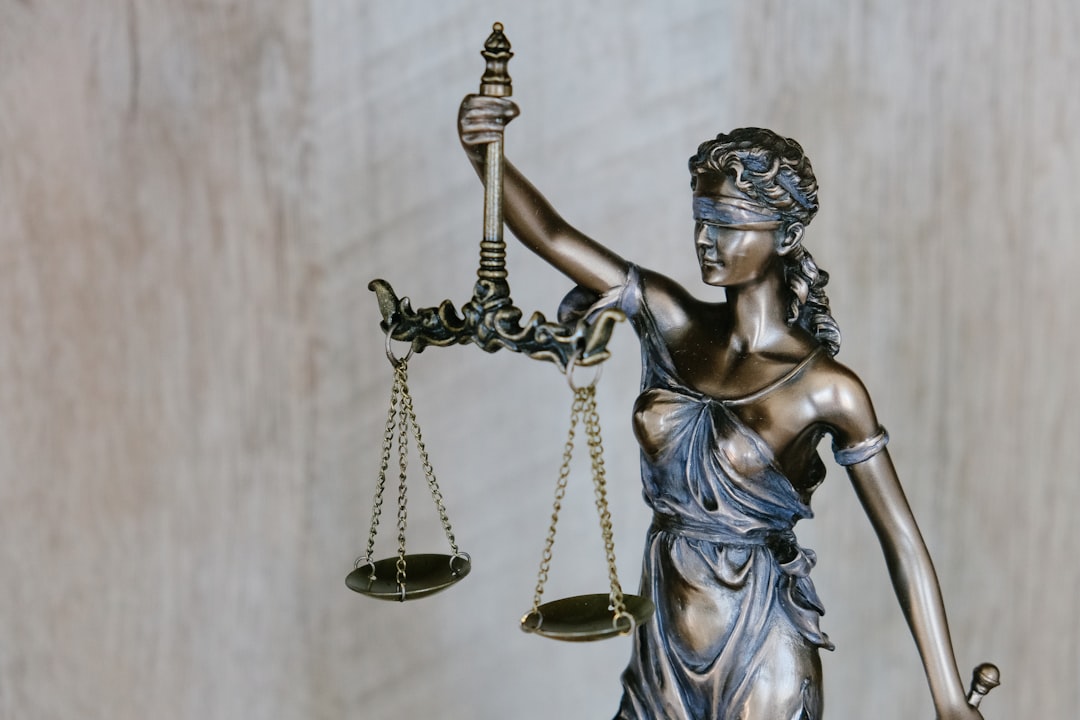
A criminal defense lawyer, an often-misunderstood figure in the legal landscape, plays a multifaceted and critical role in the justice system. Their primary function is to represent individuals accused of crimes, ensuring their legal rights are protected and that due process is observed. This article will delve into the various aspects of their profession, highlighting the intricate responsibilities and challenges they face.
The Sixth Amendment to the United States Constitution guarantees the right to counsel for criminal defendants. This fundamental right underscores the inherent belief in a fair trial, where even the accused has access to a robust defense. A criminal defense lawyer acts as the bulwark against potential governmental overreach, ensuring that the power of the state is checked by the rights of the individual.
Upholding Constitutional Rights
One of the most paramount duties of a defense lawyer is to safeguard their client’s constitutional rights. This includes:
- Right to Remain Silent: Lawyers advise their clients on their Fifth Amendment right against self-incrimination, ensuring they do not inadvertently provide information that could be used against them.
- Right to a Speedy Trial: Defense attorneys are vigilant in preventing undue delays in legal proceedings, which can infringe upon an individual’s right to a timely resolution of their case.
- Protection Against Unreasonable Searches and Seizures: Lawyers meticulously scrutinize the legality of evidence obtained by law enforcement, challenging any actions that violate the Fourth Amendment.
- Right to Confront Witnesses: They ensure their client has the opportunity to challenge the testimony of those who accuse them, employing cross-examination techniques to expose inconsistencies or biases.
Navigating the Legal Labyrinth
The legal system is a complex and often intimidating environment. For individuals unversed in its intricacies, facing criminal charges can feel like being lost in a dense fog. A criminal defense lawyer acts as a seasoned navigator, guiding their client through this labyrinthine process.
- Understanding Legal Procedures: From arraignments and preliminary hearings to motions and trials, lawyers possess a deep understanding of the procedural rules that govern criminal cases.
- Interpreting Statutes and Case Law: They are adept at interpreting the specific laws relevant to their client’s charges and drawing upon a vast body of previous judicial decisions (case law) that may influence the outcome of the case.
- Explaining Legal Terminology: Legal jargon can be bewildering. Defense lawyers translate complex legal terms and concepts into understandable language, empowering clients to make informed decisions.
Investigation and Evidence Analysis
The work of a criminal defense lawyer extends far beyond the courtroom. A significant portion of their efforts is dedicated to thorough investigation and meticulous analysis of evidence. They often function as detectives in their own right, piecing together the narrative from the defense perspective.
Independent Investigations
While law enforcement conducts its own investigations, a defense lawyer initiates an independent inquiry to uncover facts that may be overlooked or disregarded by the prosecution. This can involve:
- Interviewing Witnesses: Defense attorneys interview witnesses, both those identified by the prosecution and those discovered through their own efforts, to gather alternative perspectives or conflicting accounts.
- Gathering Physical Evidence: They may work with investigators to collect and examine physical evidence, looking for discrepancies or opportunities to challenge the prosecution’s narrative.
- Consulting Expert Witnesses: In complex cases, lawyers frequently engage expert witnesses, such as forensic scientists, medical professionals, or psychologists, to provide specialized testimony that can support the defense.
Scrutinizing Prosecutorial Evidence
A core tenet of their role is to rigorously examine every piece of evidence presented by the prosecution. This scrutiny serves to identify weaknesses, inconsistencies, or procedural flaws that could undermine the state’s case.
- Challenging Chain of Custody: They meticulously review the chain of custody for physical evidence to ensure its integrity and prevent the introduction of tampered or improperly handled items.
- Questioning Eyewitness Testimony: Eyewitness accounts, while often compelling, can be unreliable. Defense lawyers challenge the circumstances of identification, suggestibility, and memory biases.
- Analyzing Forensic Reports: They scrutinize forensic reports, such as DNA analysis or ballistics reports, to ensure scientific accuracy and to identify potential alternative interpretations.
Negotiation and Plea Bargaining
Not every criminal case proceeds to a full trial. A substantial number of cases are resolved through plea bargaining, where the defense and prosecution negotiate an agreement. The defense lawyer plays a crucial role in these negotiations.
Strategic Negotiation
Plea bargaining is an art that requires a keen understanding of the facts, the law, and the personalities involved. A skilled defense lawyer acts as their client’s advocate in this intricate dance.
- Assessing Case Strengths and Weaknesses: Before entering negotiations, lawyers carefully assess the strengths and weaknesses of both the prosecution’s case and their own. This informed analysis dictates their negotiation strategy.
- Identifying Mitigating Circumstances: They highlight any mitigating factors that could lessen the severity of the charges or the potential sentence, such as a lack of prior criminal history, remorse, or difficult personal circumstances.
- Proposing Alternative Resolutions: Beyond just reducing charges, defense lawyers may propose alternative resolutions, such as diversion programs, community service, or treatment programs, which may be more beneficial for their client.
Protecting Client Interests in Plea Agreements
While a plea agreement can often lead to a less severe outcome, it also involves giving up certain rights. The defense lawyer ensures their client fully understands the implications of any proposed agreement.
- Explaining the Consequences: They meticulously explain the long-term consequences of a plea, including potential jail time, fines, probation terms, and collateral consequences such as loss of professional licenses or immigration issues.
- Ensuring Voluntariness: Lawyers confirm that their client’s decision to accept a plea is made voluntarily, knowingly, and intelligently, free from coercion.
- Bargaining for Favorable Terms: They diligently work to secure the most favorable terms possible within the plea agreement, striving for reduced charges, lighter sentences, or alternative sentencing options.
Courtroom Advocacy and Trial Preparation
When a case proceeds to trial, the criminal defense lawyer transforms into a courtroom advocate, presenting their client’s case and challenging the prosecution’s assertions. This requires meticulous preparation and strong rhetorical skills.
Crafting a Compelling Narrative
At trial, both sides tell a story. The defense lawyer’s task is to craft a compelling and believable narrative that supports their client’s innocence or establishes reasonable doubt.
- Developing a Theory of the Case: They formulate a clear and consistent theory of the case that explains the evidence from their client’s perspective and provides an alternative explanation for the events.
- Opening Statements: Lawyers use opening statements to introduce their defense theory, foreshadow key evidence, and begin to shape the jury’s perception of the case.
- Direct and Cross-Examination: They strategically conduct direct examinations of defense witnesses and vigorously cross-examine prosecution witnesses to elicit favorable testimony or expose inconsistencies.
Safeguarding Due Process During Trial
Throughout the trial, the defense lawyer acts as a vigilant guardian of their client’s due process rights, ensuring that legal procedures are followed and that the trial remains fair.
- Objecting to Improper Evidence: They are quick to object to the introduction of inadmissible evidence or improper questioning by the prosecution, preventing the jury from hearing prejudicial information.
- Making Motions: Lawyers may file various motions during trial, such as motions for mistrial or motions for directed verdict, to address procedural errors or the insufficiency of the prosecution’s evidence.
- Closing Arguments: In closing arguments, they synthesize the evidence, reiterate their theory of the case, and persuasively argue for their client’s innocence or for a finding of reasonable doubt.
Post-Conviction Relief and Appeals
| Metric | Description | Typical Range/Value | Notes |
|---|---|---|---|
| Average Case Duration | Time taken to resolve a criminal defense case | 3 to 12 months | Varies based on case complexity and jurisdiction |
| Success Rate | Percentage of cases resulting in favorable outcomes (dismissal, acquittal, reduced charges) | 60% to 85% | Depends on lawyer experience and case type |
| Client Satisfaction | Percentage of clients reporting positive experience | 75% to 95% | Based on surveys and reviews |
| Average Consultation Length | Initial meeting duration with potential client | 30 to 60 minutes | May be free or paid |
| Typical Retainer Fee | Upfront fee to begin representation | 1,000 to 5,000 | Varies by location and case severity |
| Hourly Rate | Fee charged per hour of work | 150 to 500 | Depends on lawyer’s experience and market |
| Number of Cases Handled Annually | Average caseload per criminal defense lawyer | 50 to 200 | Varies by firm size and lawyer availability |
| Common Case Types | Types of criminal cases typically handled | DUI, drug offenses, theft, assault, white-collar crimes | Specialization may vary |
The role of a criminal defense lawyer does not necessarily end with a verdict. If a client is convicted, they may continue to represent them through post-conviction proceedings and appeals.
Seeking Post-Conviction Relief
Even after a conviction, there may be avenues to challenge the legality of the conviction or sentence. Defense lawyers explore these options on behalf of their clients.
- Motions for New Trial: They may file motions for a new trial based on newly discovered evidence, prosecutorial misconduct, or significant legal errors during the trial.
- Habeas Corpus Petitions: Lawyers can file habeas corpus petitions, which challenge the lawfulness of a person’s detention, often asserting constitutional violations that occurred during the trial or conviction process.
- Reduced Sentences or Expungements: In certain circumstances, lawyers may seek to reduce sentences or pursue expungement of criminal records, offering their clients a path toward a clean slate.
Appellate Advocacy
If a conviction is upheld, the defense lawyer can pursue an appeal, arguing that legal errors were made during the trial that warrant a reversal or a new trial.
- Identifying Appealable Issues: They meticulously review the trial record to identify any legal errors that could form the basis of an appeal, such as erroneous evidentiary rulings, improper jury instructions, or constitutional violations.
- Drafting Appellate Briefs: Lawyers draft detailed appellate briefs, presenting persuasive legal arguments supported by relevant statutes, case law, and the trial record.
- Oral Arguments: In some appellate courts, lawyers present oral arguments, responding to questions from the appellate judges and succinctly articulating their legal positions.
In conclusion, the role of a criminal defense lawyer is far more intricate than often portrayed. They are not merely champions of the accused but indispensable components of a just legal system. They act as constitutional guardians, vigilant investigators, shrewd negotiators, persuasive courtroom advocates, and steadfast champions of their clients’ rights, ensuring that the scales of justice remain balanced, even in the face of grave accusations. Their dedication serves as a testament to the principle that every individual, regardless of the charges against them, deserves a vigorous and zealous defense within the bounds of the law.
FAQs
What does a criminal defense lawyer do?
A criminal defense lawyer represents individuals or organizations charged with criminal offenses. They provide legal advice, develop defense strategies, negotiate plea deals, and represent clients in court to protect their rights and achieve the best possible outcome.
When should I hire a criminal defense lawyer?
You should hire a criminal defense lawyer as soon as you are charged with a crime or if you believe you might be under investigation. Early legal representation can help protect your rights, gather evidence, and build a strong defense.
What types of cases do criminal defense lawyers handle?
Criminal defense lawyers handle a wide range of cases, including but not limited to DUI/DWI, drug offenses, theft, assault, domestic violence, white-collar crimes, and homicide. They specialize in defending clients against criminal charges.
How much does it cost to hire a criminal defense lawyer?
The cost varies depending on the lawyer’s experience, the complexity of the case, and the location. Some lawyers charge a flat fee, while others bill hourly. It is important to discuss fees upfront and understand the payment structure before hiring.
Can a criminal defense lawyer guarantee a case outcome?
No reputable criminal defense lawyer can guarantee a specific outcome because case results depend on many factors, including evidence, the law, and judicial decisions. However, a skilled lawyer can provide the best possible defense and advise on likely outcomes.